Post-op
Apr 13, 2026
Foods to Avoid After Facelift
If you are planning a facelift—or have recently undergone one—your recovery process is just as important as the surgery itself. As a board-certified plastic surgeon specializing in deep plane facelift surgery, I can tell you that your diet directly affects swelling, healing time, and the overall quality of your results.
Why Diet Matters After Facelift Surgery
A facelift is not simply about tightening skin. Modern techniques—especially the deep plane facelift—reposition deeper facial structures, including the SMAS layer and retaining ligaments.
After surgery, your tissues need time to:
Stabilize in their new position
Reduce swelling
Heal without unnecessary inflammation
Certain foods can slow this process and negatively affect your final outcome.
1. Salty Foods
High-sodium foods such as chips, ramen, and processed meals can lead to fluid retention. This is one of the most common causes of prolonged swelling after facelift surgery.
Tip - Reducing salt intake helps your face de-swell faster and allows your final results to appear sooner.
2. Processed and Fast Foods
Processed foods are often low in essential nutrients needed for tissue repair. Additionally, preservatives and additives can increase inflammation—which is the opposite of what your body needs during recovery.
For optimal healing after a facelift, a clean and natural diet is essential.
3. Hard or Chewy Foods
Foods that require heavy chewing—such as tough meat, crusty bread, or hard fruits—can strain the facial muscles and tissues.
This may:
Irritate surgical areas
Affect internal healing
Increase tension on stitches
Recommendation - Stick to soft foods during the first week after surgery.
4. Spicy Foods
Spicy foods can increase blood circulation and raise facial temperature.
After facelift surgery, this may lead to:
Increased swelling
Skin irritation
Delayed recovery
Keeping your body in a stable, low-inflammatory state is key.
5. Sugary Foods and Refined Carbs
Sugar and refined carbohydrates (such as soda, desserts, and white bread) can:
Weaken immune function
Increase inflammation
Slow down tissue healing
Avoiding these foods helps ensure smoother recovery and cleaner results.
How to Heal Faster After a Facelift
To support optimal recovery:
Drink plenty of water
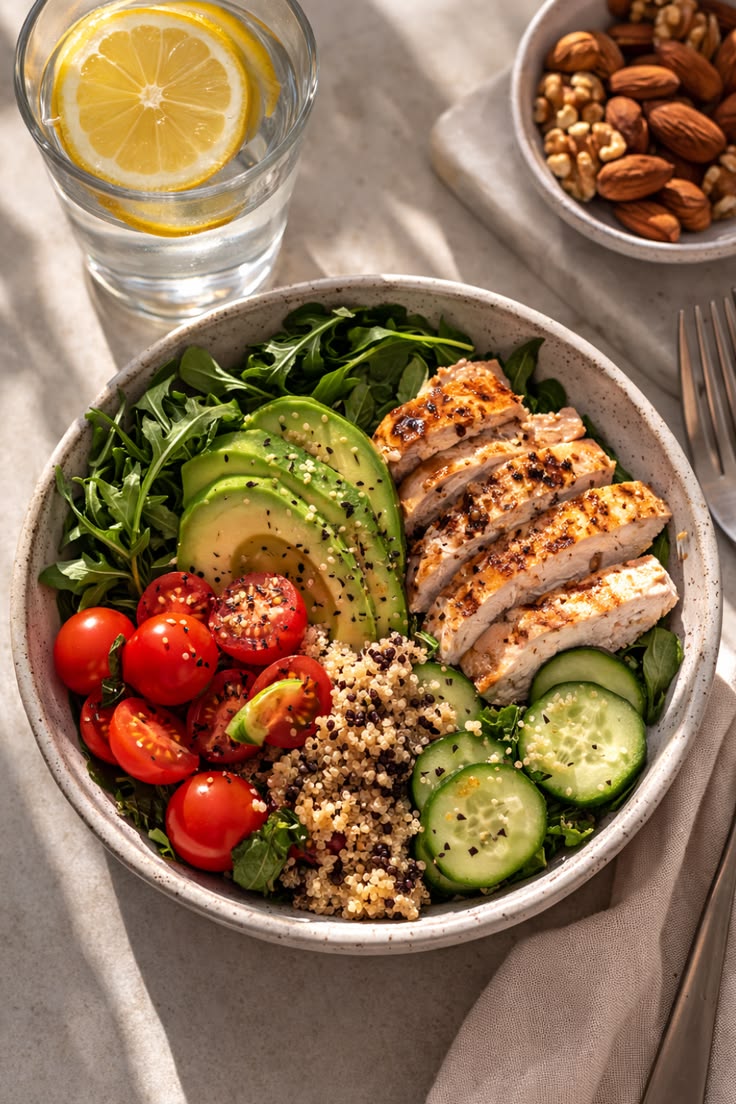
Eat protein-rich, nutrient-dense foods
Avoid alcohol and smoking
Get enough rest
Follow your surgeon’s post-operative instructions - Dr. Kim’s Philosophy
A successful facelift is not about how much the face is pulled. It is about restoring natural structure and balance. Surgery repositions the deeper layers of the face—but recovery is when those changes settle and become visible.
This is why I emphasize to every patient:
Your final result is created not only by surgery, but by how well you recover.
Small decisions—such as what you eat—can make a meaningful difference.
The goal is simple:
to look like yourself, only younger, healthier, and more refined.
Final Thoughts
Knowing what foods to avoid after a facelift can significantly improve your recovery experience and final outcome.
If you are preparing for facelift surgery or currently recovering, following these guidelines will help you achieve the most natural and long-lasting results possible.