Facelift
Jun 5, 2026
How to Minimise and Conceal Facelift Scars
We reposition the deeper facial layers — including the SMAS and retaining ligaments — restoring the entire facial structure to its natural, youthful position beneath the skin.
Introduction
A facelift can restore a more youthful appearance by addressing sagging skin, deep facial folds, and age-related changes in facial contours. While the procedure can deliver long-lasting rejuvenation, many patients are understandably concerned about one aspect of surgery: scarring.
The good news is that facelift scars are usually carefully positioned and tend to become less noticeable as healing progresses. Understanding how scars form, what influences their appearance, and how to support optimal healing can help you approach recovery with realistic expectations.
Why Do Facelift Scars Occur?
Scars are a normal part of the body's healing process. During a facelift, surgical incisions are necessary to lift and reposition facial tissues, remove excess skin, and create a more youthful contour.
As these incisions heal, the body produces collagen to repair the skin. This process results in scar formation. While scars are permanent, they typically improve significantly over time and often become difficult to notice once fully matured.
What Causes the Scars?
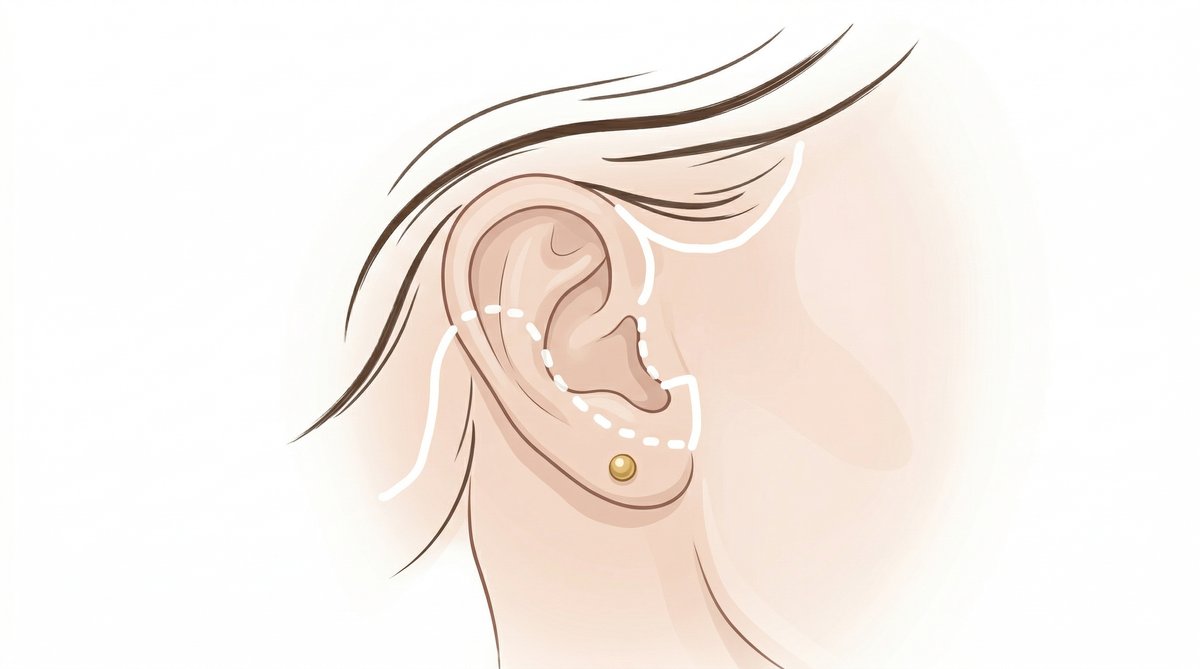
Modern facelift techniques are designed to place incisions in discreet locations whenever possible. Common incision sites include:
Along the hairline
Around the natural contours of the ear
Behind the ears
Under the chin in some procedures
The exact placement depends on the surgical technique used and the extent of correction required.
Factors That Affect Scar Appearance
Not all facelift scars heal the same way. Several factors can influence the final result, including:
Individual skin type and skin quality
Age and overall health
Genetics
Smoking and lifestyle habits
Surgical technique
Adherence to post-operative care instructions
Some people naturally develop finer scars, while others may be more prone to thicker or more visible scar tissue.
What to Expect During Healing
Immediately after surgery, scars often appear red, slightly raised, and swollen. This is a normal response as the body begins repairing the tissues.
Over the following months, scars gradually soften, flatten, and fade. Although they do not disappear completely, they generally become much less noticeable with time.
Patience is important, as scar maturation is a gradual process that can continue for many months after surgery.
Typical Facelift Scar Healing Timeline
First 1–2 Weeks
During the initial recovery period, scars are usually at their most visible. Redness, mild swelling, and tenderness are common. Careful wound care is essential to support proper healing.
2–4 Weeks
Inflammation begins to settle, and the incisions start to close more completely. While scars remain visible, many patients notice a reduction in redness and swelling.
1–3 Months
Scars often transition from bright red to a lighter pink or purple tone. They may continue to flatten and become less prominent.
3–6 Months
Significant improvement is typically seen during this stage. Scars generally appear lighter, smoother, and more blended with the surrounding skin.
Around 12 Months
Many patients notice substantial fading by the one-year mark. Scars are often much less noticeable and continue to improve gradually.
1–2 Years
Full scar maturation may take up to two years. At this stage, scars have usually reached their final appearance in terms of colour, texture, and thickness.
How to Reduce the Appearance of Facelift Scars
While no treatment can completely eliminate scars, several measures may help optimise healing and improve their appearance.
Follow Post-Operative Instructions
Your surgeon's recovery guidelines are designed to promote proper healing and minimise complications. Following these instructions carefully is one of the most important factors in achieving the best possible scar outcome.
Protect Scars from Sun Exposure
Ultraviolet (UV) radiation can darken healing scars and make them more noticeable. Daily use of a broad-spectrum sunscreen and physical sun protection can help prevent unwanted pigmentation changes.
Maintain a Healthy Lifestyle
Good nutrition, adequate hydration, and avoiding smoking can support the body's natural healing process.
Consider Scar Management Products
Silicone gels and silicone sheets are commonly recommended for scar management. These products may help soften, flatten, and improve the appearance of scars over time.
Professional Treatments for Persistent Scars
For patients who remain concerned about visible scars after sufficient healing has occurred, several professional treatments may be considered.
These may include:
Laser therapy
Steroid injections
Dermabrasion
Scar revision procedures in selected cases
A qualified plastic surgeon can assess whether any of these treatments may be appropriate based on the appearance and maturity of the scar.
Are Facelift Scars Permanent?
Yes, facelift scars are permanent. However, permanence does not necessarily mean visibility. With proper surgical technique, good aftercare, and sufficient healing time, most facelift scars become significantly less noticeable.
For many patients, the improvement in facial appearance and confidence outweighs the presence of well-concealed scars.