" height="29.078129934195115px" id="q8Hy5fEvg" width="26.912217194570133px"/></svg>)
" height="10.171795799039309px" id="TaD7e2wLf" width="29.564000057548228px"/></svg>)
" height="10.17199999733264px" id="RqhoNlpql" width="137.1618543845486px"/></svg>)
About Us
Facelift
Eye Surgery
Non-Surgical
Skin Care
Contact
Contact
Facelift
Facelift
Facelift
Extended Deep Plane Facelift
Extended Deep Plane Facelift
Extended Deep Plane Facelift
Facelift
Facelift
2025
2025
A procedure designed for structural improvement, delivering the most natural rejuvenation.
A procedure designed for structural improvement, delivering the most natural rejuvenation.
A procedure designed for structural improvement, delivering the most natural rejuvenation.

Introduction
Introduction
A facelift, or rhytidectomy, improves the appearance of the lower two-thirds of the face by tightening sagging facial muscles, smoothing wrinkled skin, and removing excess fat. This procedure is often combined with a neck lift for improvements under the chin. A Deep Plane Facelift goes beyond the superficial adjustments of a standard Facelift, offering a more comprehensive approach to facial ageing. To understand the essence of this popular procedure, it’s crucial to understand the anatomy of facial ageing.
A facelift, or rhytidectomy, improves the appearance of the lower two-thirds of the face by tightening sagging facial muscles, smoothing wrinkled skin, and removing excess fat. This procedure is often combined with a neck lift for improvements under the chin. A Deep Plane Facelift goes beyond the superficial adjustments of a standard Facelift, offering a more comprehensive approach to facial ageing. To understand the essence of this popular procedure, it’s crucial to understand the anatomy of facial ageing.
A facelift, or rhytidectomy, improves the appearance of the lower two-thirds of the face by tightening sagging facial muscles, smoothing wrinkled skin, and removing excess fat. This procedure is often combined with a neck lift for improvements under the chin. A Deep Plane Facelift goes beyond the superficial adjustments of a standard Facelift, offering a more comprehensive approach to facial ageing. To understand the essence of this popular procedure, it’s crucial to understand the anatomy of facial ageing.
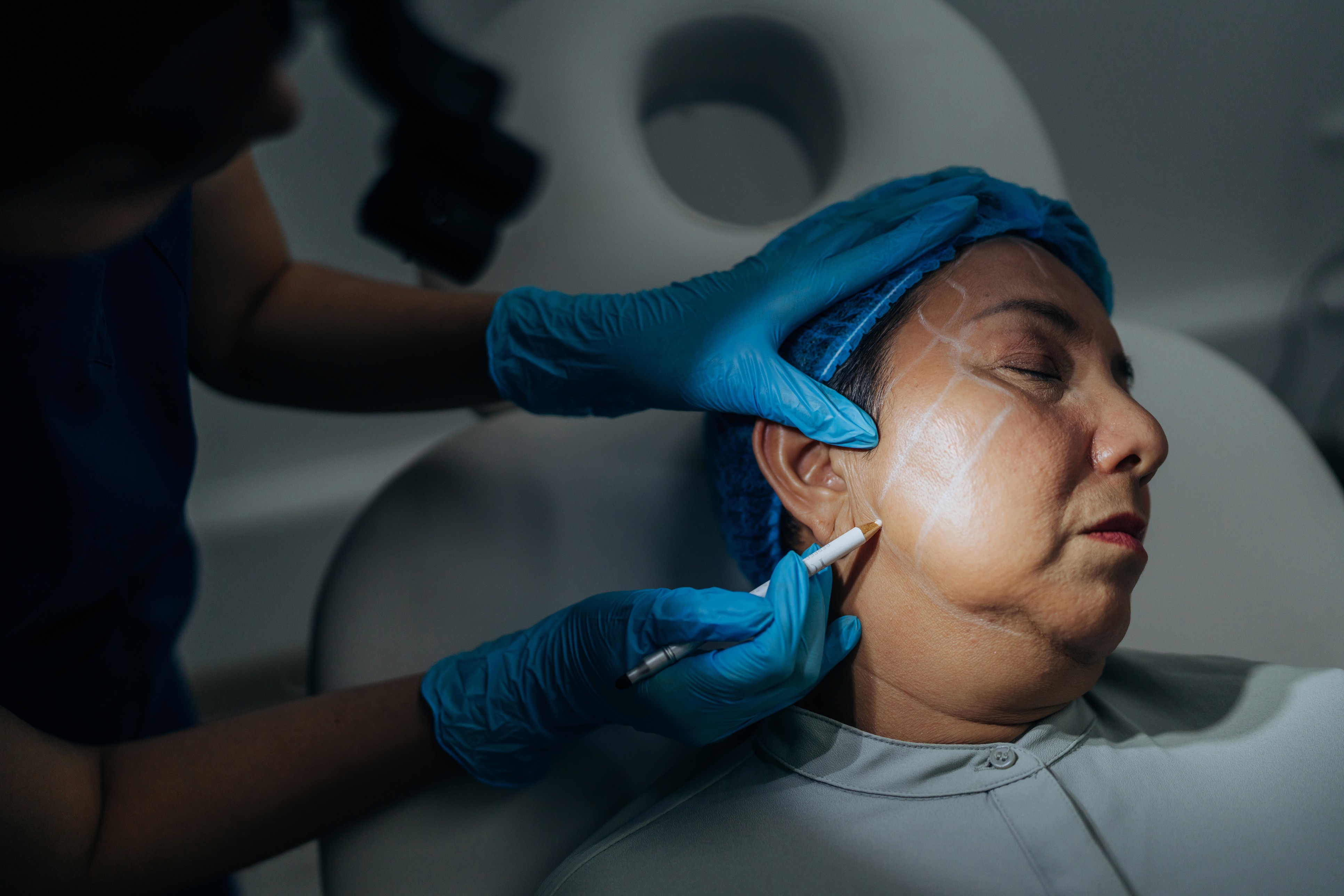
Ideation
Ideation
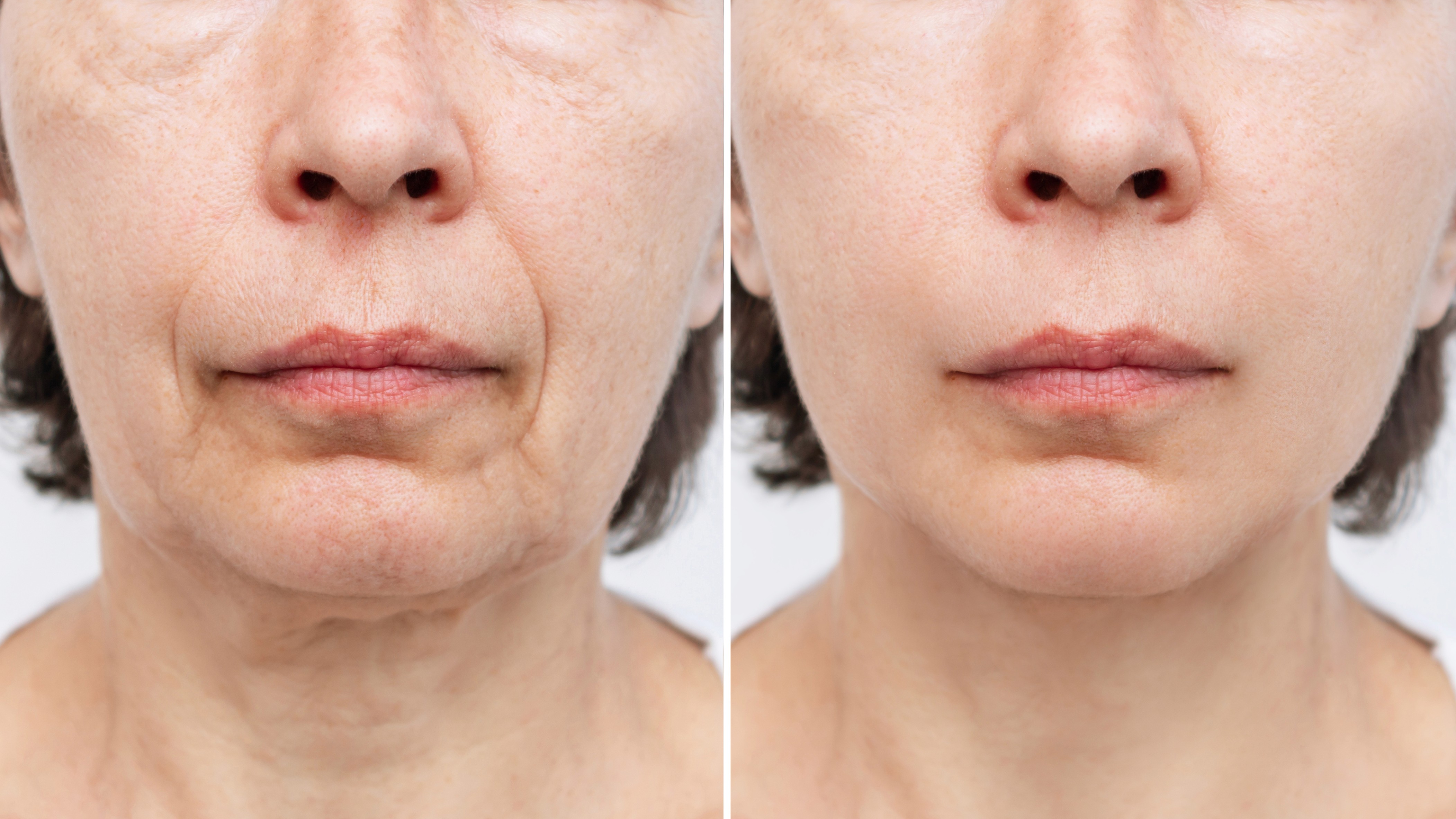
The aging process affects us all. Genetics and lifestyle will dictate how quickly this process occurs for you but the principles remain the same. Aging affects all the layers of the face – the skin, the fat (both superficial and deep), the fine facial muscular layers, and the bone. As we age the skin loses collagen and elastin, which are important molecules for creating a structure. As a result, the facial skin becomes thinner and less elastic with variable amounts in excess (loose skin). The fat loses its structure and reduces in volume in some areas (atrophy), whereas in some other areas can increase in size (hypertrophy). Specific attachments of facial tissues- called the ligaments- start to loosen up causing a descent (called ptosis) of the different fat compartments. The most important anatomical structure concerning facial aging is the S.M.A.S, which is the abbreviation for Superficial Musculo-Aponeurotic System.
The aging process affects us all. Genetics and lifestyle will dictate how quickly this process occurs for you but the principles remain the same. Aging affects all the layers of the face – the skin, the fat (both superficial and deep), the fine facial muscular layers, and the bone. As we age the skin loses collagen and elastin, which are important molecules for creating a structure. As a result, the facial skin becomes thinner and less elastic with variable amounts in excess (loose skin). The fat loses its structure and reduces in volume in some areas (atrophy), whereas in some other areas can increase in size (hypertrophy). Specific attachments of facial tissues- called the ligaments- start to loosen up causing a descent (called ptosis) of the different fat compartments. The most important anatomical structure concerning facial aging is the S.M.A.S, which is the abbreviation for Superficial Musculo-Aponeurotic System.
The aging process affects us all. Genetics and lifestyle will dictate how quickly this process occurs for you but the principles remain the same. Aging affects all the layers of the face – the skin, the fat (both superficial and deep), the fine facial muscular layers, and the bone. As we age the skin loses collagen and elastin, which are important molecules for creating a structure. As a result, the facial skin becomes thinner and less elastic with variable amounts in excess (loose skin). The fat loses its structure and reduces in volume in some areas (atrophy), whereas in some other areas can increase in size (hypertrophy). Specific attachments of facial tissues- called the ligaments- start to loosen up causing a descent (called ptosis) of the different fat compartments. The most important anatomical structure concerning facial aging is the S.M.A.S, which is the abbreviation for Superficial Musculo-Aponeurotic System.
"
Aging gradually reverses the youthful V-shape of the face, leading to widening of the lower face and flattening of the cheeks.
Aging gradually reverses the youthful V-shape of the face, leading to widening of the lower face and flattening of the cheeks.
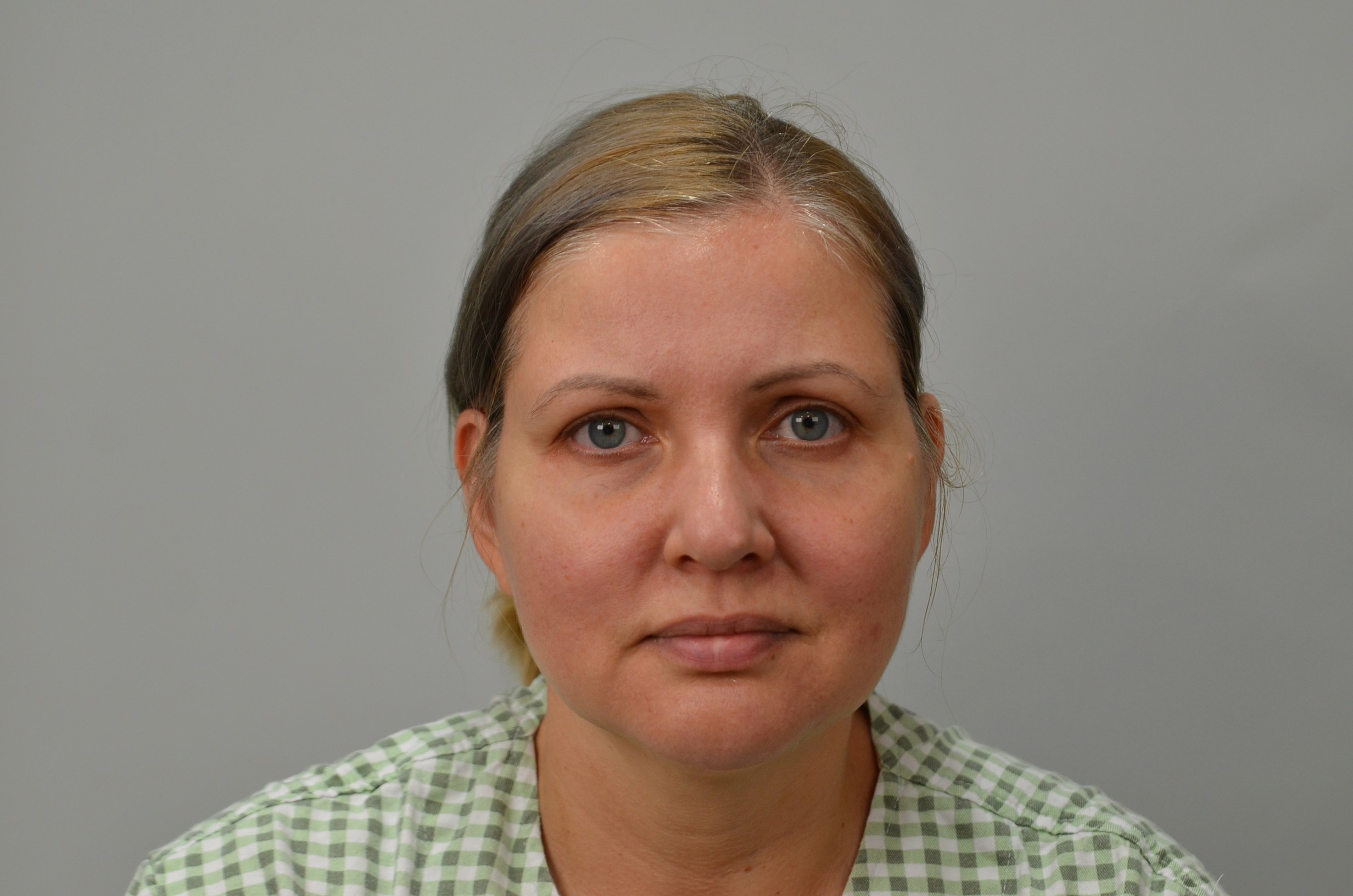
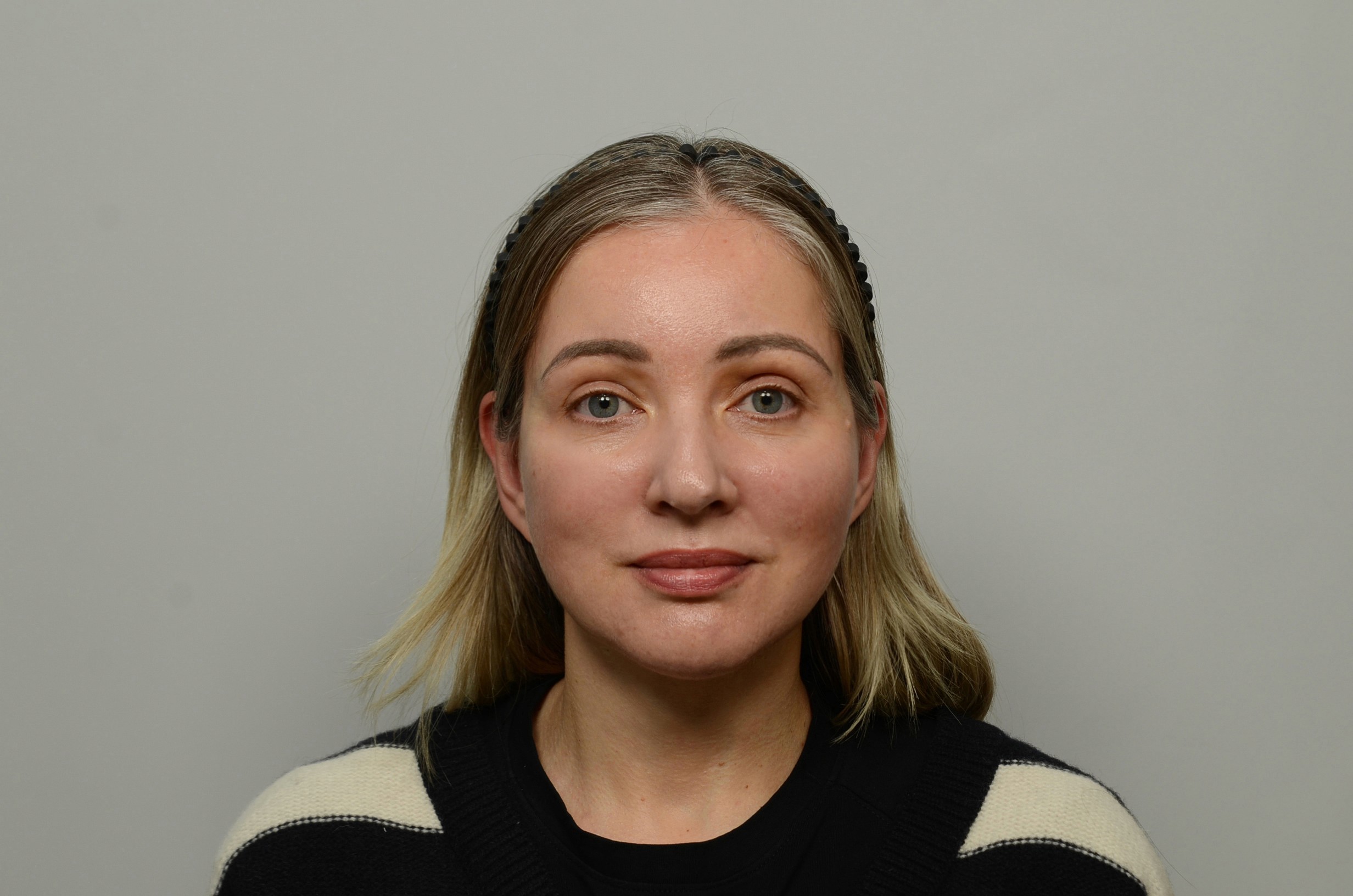
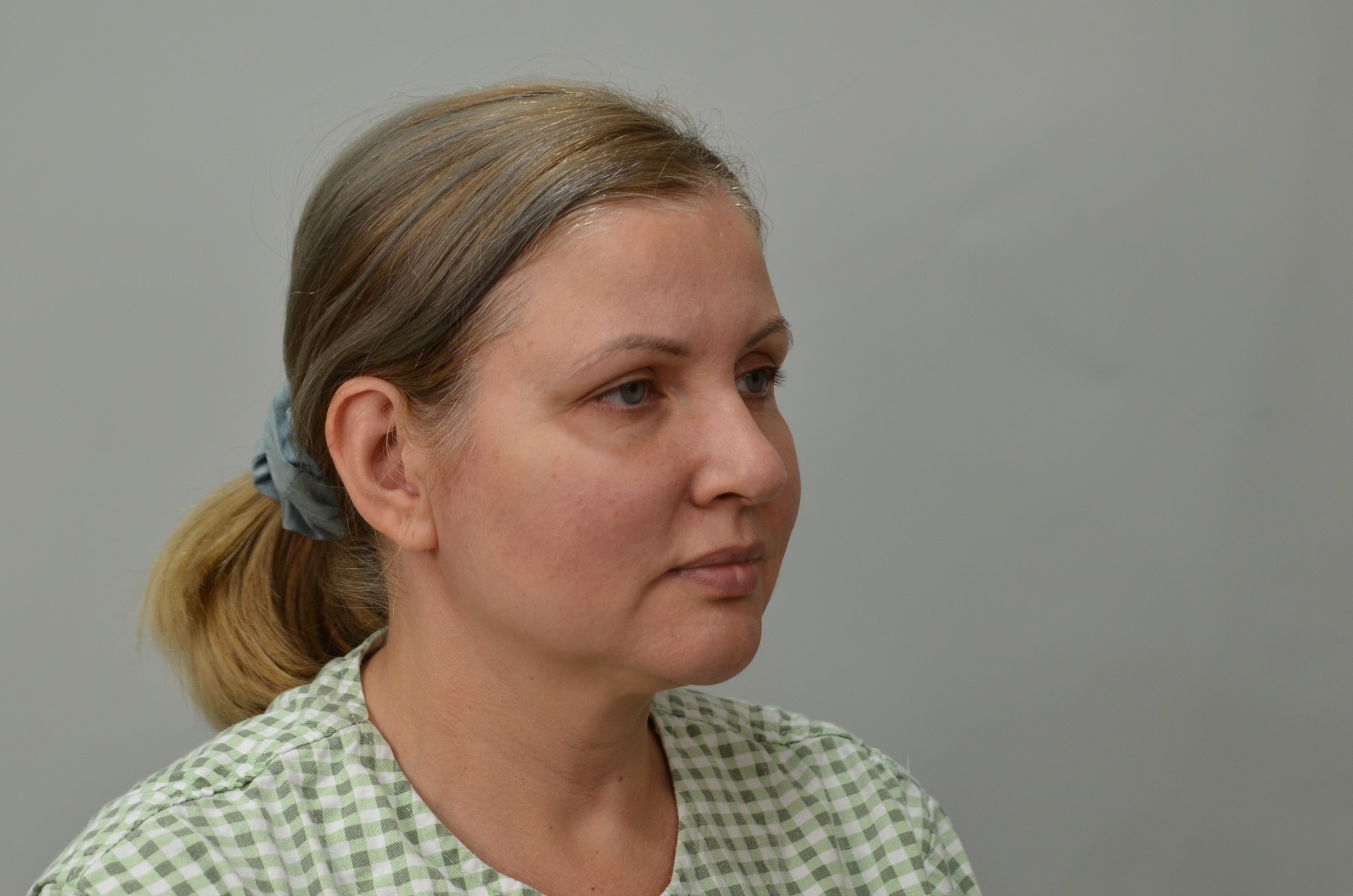
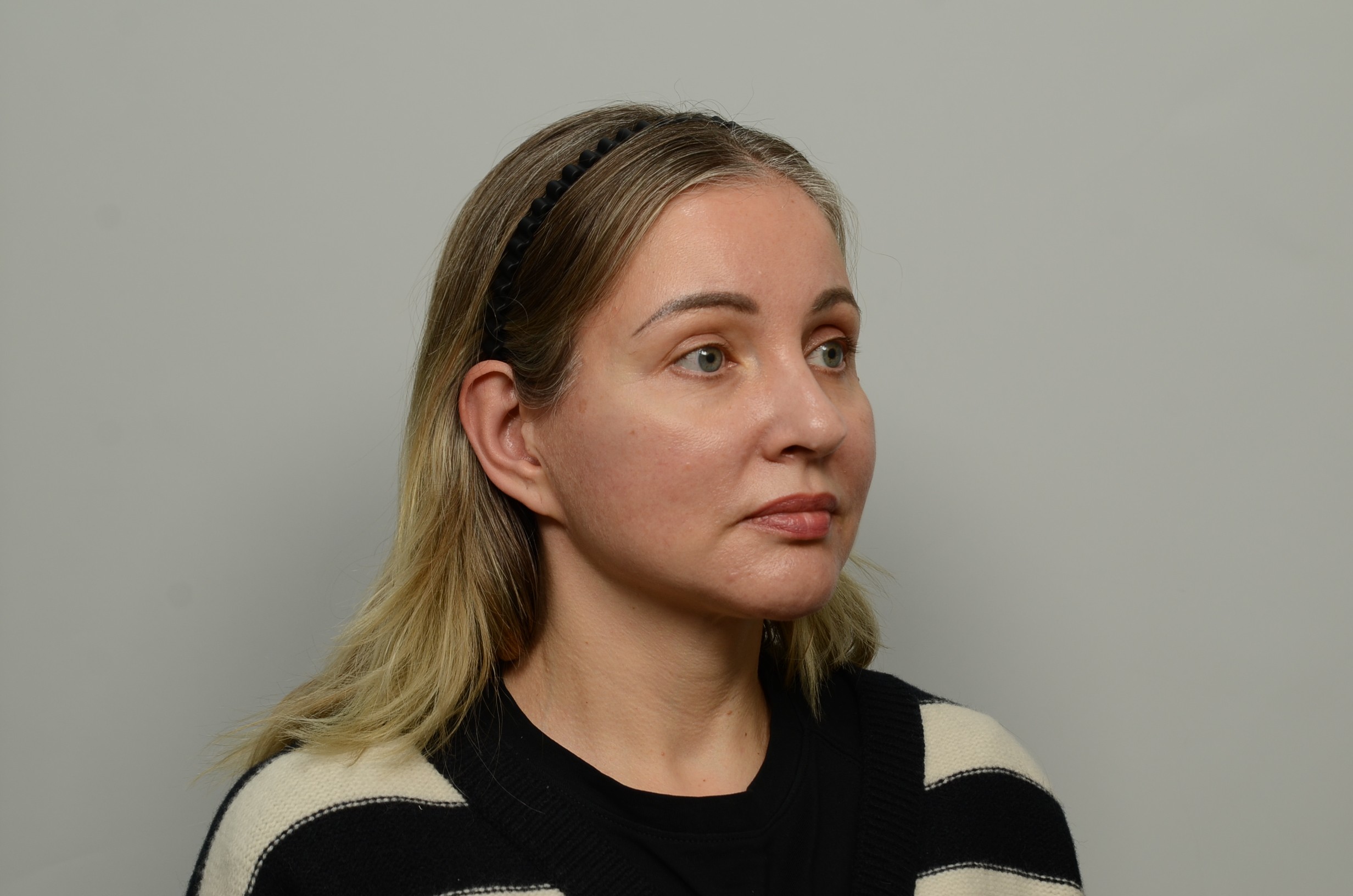
The SMAS layer lies between the superficial fat and the deeper structures containing the facial muscles and nerve branches, extending from the cheekbone (zygoma) to the jawline (mandible) and continuing into the neck as the platysma muscle. With aging, both the SMAS and platysma weaken and lose their supportive function against gravity, leading to most visible signs of facial and neck aging—making these layers the primary targets in face and neck rejuvenation surgery. The deep plane refers to an anatomical space between the SMAS layer and the deeper facial tissues of the face and neck. By working within this plane, the SMAS and platysma can be fully released from underlying structures, allowing them to be repositioned with less tension and more natural support. Unlike traditional techniques, the skin is largely kept attached to the SMAS, creating a composite flap that moves as a single, unified layer.
The SMAS layer lies between the superficial fat and the deeper structures containing the facial muscles and nerve branches, extending from the cheekbone (zygoma) to the jawline (mandible) and continuing into the neck as the platysma muscle. With aging, both the SMAS and platysma weaken and lose their supportive function against gravity, leading to most visible signs of facial and neck aging—making these layers the primary targets in face and neck rejuvenation surgery. The deep plane refers to an anatomical space between the SMAS layer and the deeper facial tissues of the face and neck. By working within this plane, the SMAS and platysma can be fully released from underlying structures, allowing them to be repositioned with less tension and more natural support. Unlike traditional techniques, the skin is largely kept attached to the SMAS, creating a composite flap that moves as a single, unified layer.
The SMAS layer lies between the superficial fat and the deeper structures containing the facial muscles and nerve branches, extending from the cheekbone (zygoma) to the jawline (mandible) and continuing into the neck as the platysma muscle. With aging, both the SMAS and platysma weaken and lose their supportive function against gravity, leading to most visible signs of facial and neck aging—making these layers the primary targets in face and neck rejuvenation surgery. The deep plane refers to an anatomical space between the SMAS layer and the deeper facial tissues of the face and neck. By working within this plane, the SMAS and platysma can be fully released from underlying structures, allowing them to be repositioned with less tension and more natural support. Unlike traditional techniques, the skin is largely kept attached to the SMAS, creating a composite flap that moves as a single, unified layer.
Benefits
Benefits
Although the deep plane facelift is technically more demanding and time-intensive than superficial SMAS techniques, it offers distinct advantages that have made it the preferred approach for achieving natural, long-lasting facial rejuvenation. By entering the deep plane closer to the medial soft tissues, the procedure allows direct access to the areas most affected by descent, enabling precise release and repositioning of the SMAS and platysma. This biomechanical advantage permits effective resuspension of ptotic facial tissues without excessive tension, resulting in more harmonious contours and durable outcomes when performed with meticulous dissection and tissue handling.
Although the deep plane facelift is technically more demanding and time-intensive than superficial SMAS techniques, it offers distinct advantages that have made it the preferred approach for achieving natural, long-lasting facial rejuvenation. By entering the deep plane closer to the medial soft tissues, the procedure allows direct access to the areas most affected by descent, enabling precise release and repositioning of the SMAS and platysma. This biomechanical advantage permits effective resuspension of ptotic facial tissues without excessive tension, resulting in more harmonious contours and durable outcomes when performed with meticulous dissection and tissue handling.
Although the deep plane facelift is technically more demanding and time-intensive than superficial SMAS techniques, it offers distinct advantages that have made it the preferred approach for achieving natural, long-lasting facial rejuvenation. By entering the deep plane closer to the medial soft tissues, the procedure allows direct access to the areas most affected by descent, enabling precise release and repositioning of the SMAS and platysma. This biomechanical advantage permits effective resuspension of ptotic facial tissues without excessive tension, resulting in more harmonious contours and durable outcomes when performed with meticulous dissection and tissue handling.
"
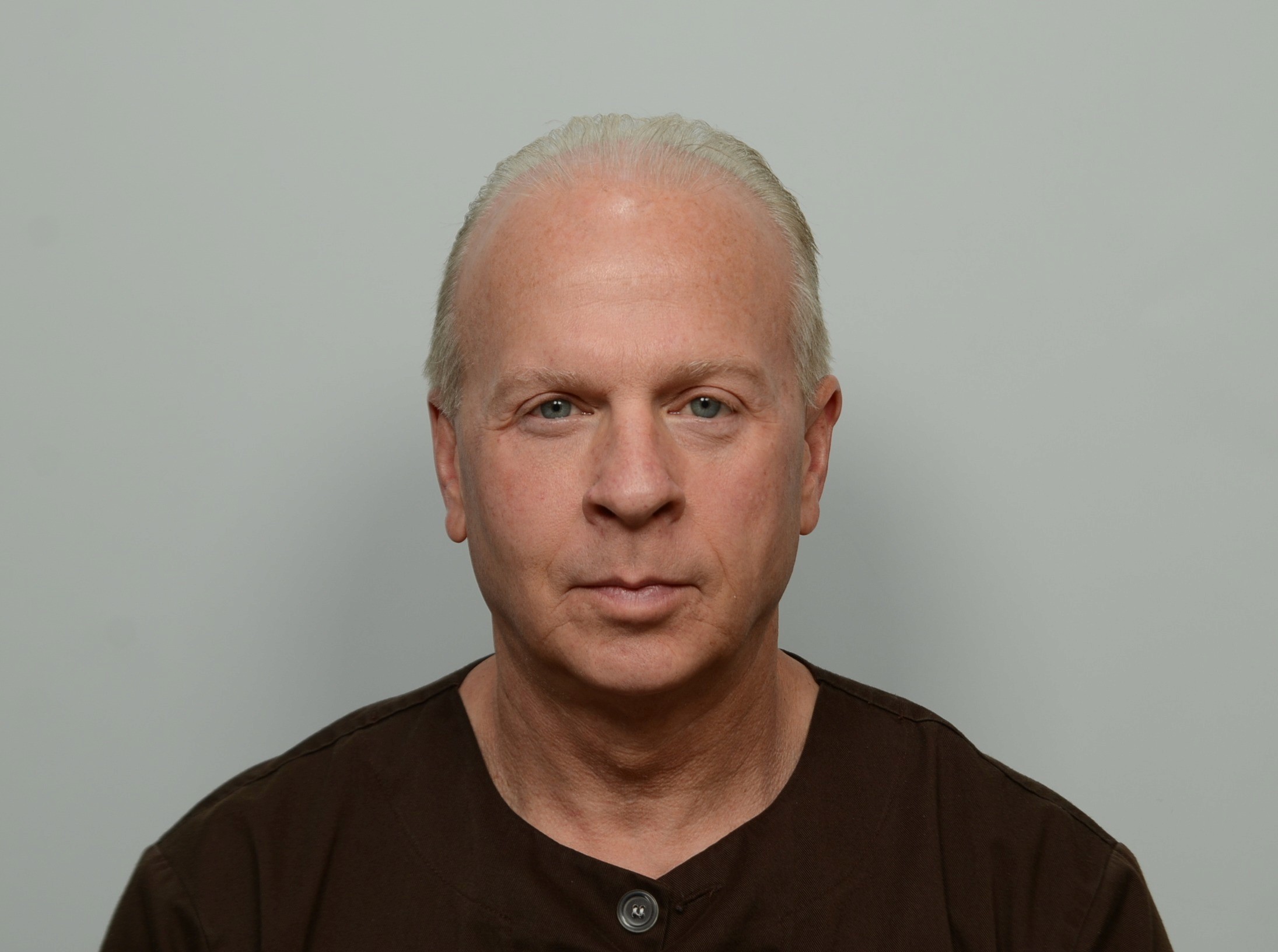
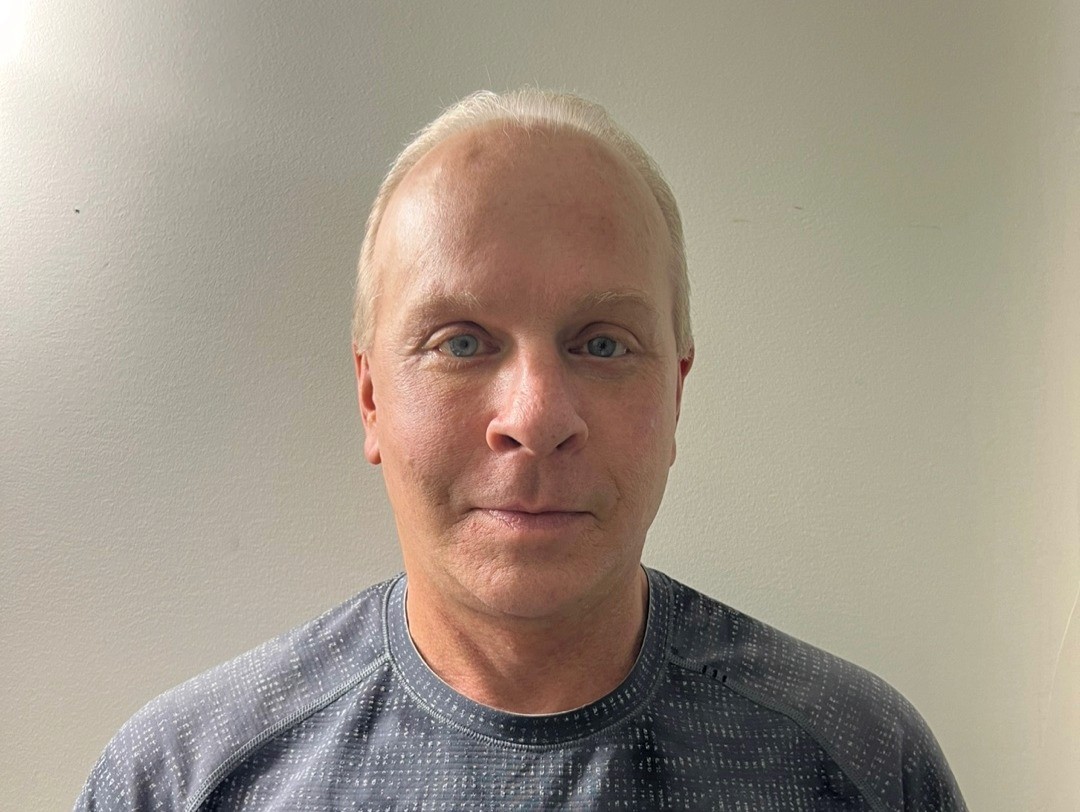
Compared to superficial SMAS facelifts, Deep Plane offers more natural, long-lasting results, with minimal tension and less risk in modern facial rejuvenation surgery.
Compared to superficial SMAS facelifts, Deep Plane offers more natural, long-lasting results, with minimal tension and less risk in modern facial rejuvenation surgery.
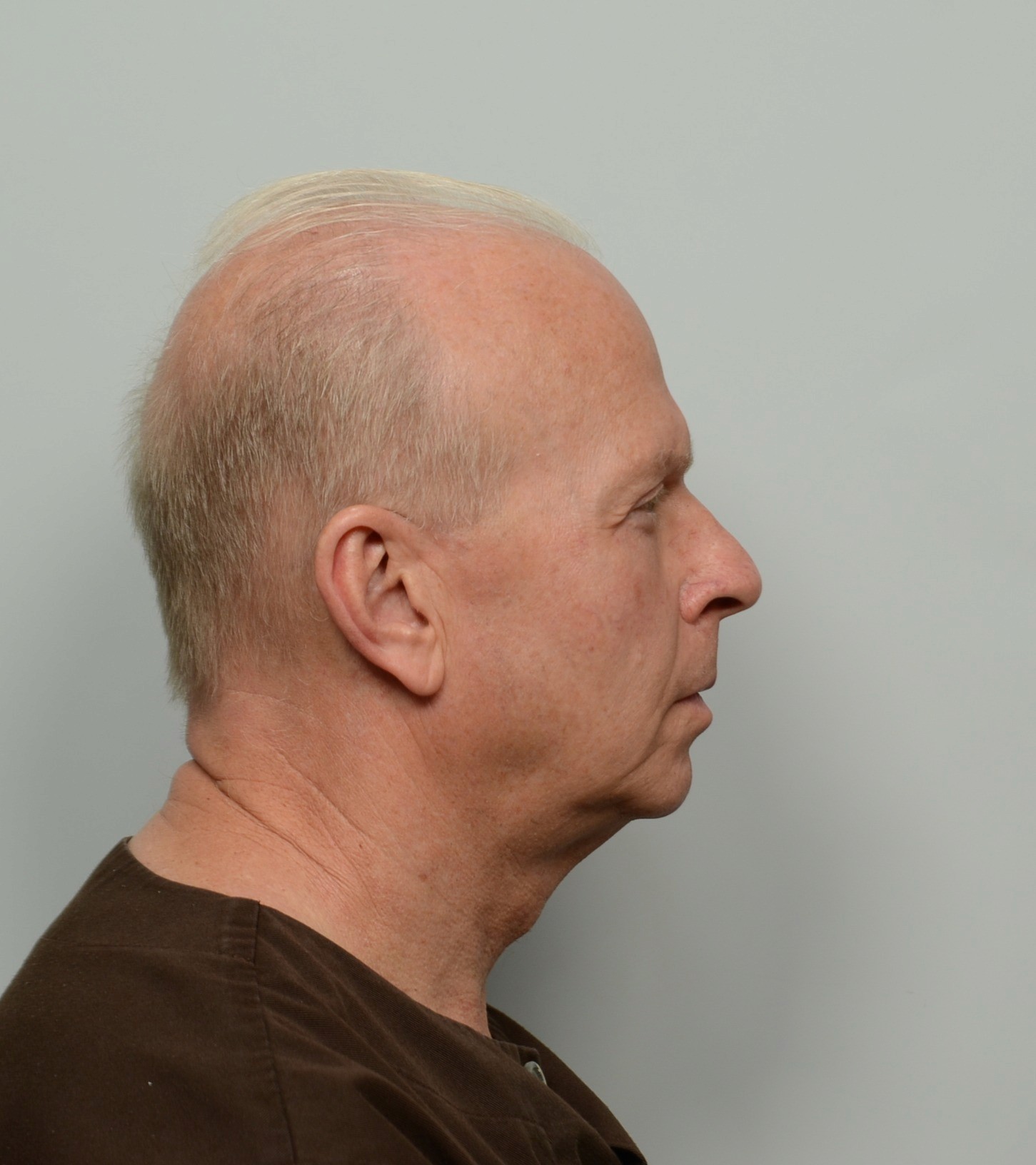
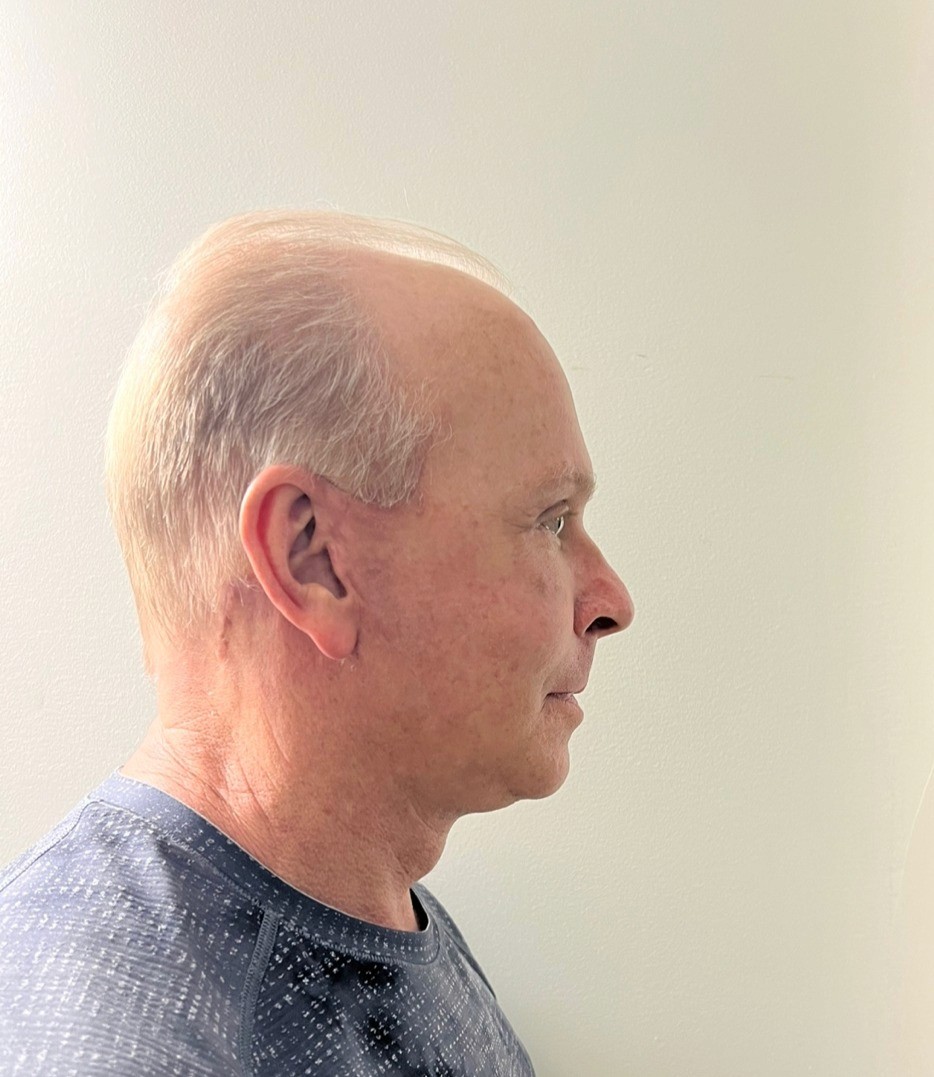
Another important benefit of the deep plane facelift is its ability to improve the midface in a natural and noticeable way. By gently releasing deeper supporting tissues, the procedure allows sagging cheek volume to be repositioned, restoring fullness and contour to the cheek area—something traditional facelifts typically cannot achieve. In the neck and jawline, this approach also enables more effective tightening and repositioning of deeper muscles, helping to create a smoother neck and a sharper, more youthful jawline without an over-pulled appearance.
Another important benefit of the deep plane facelift is its ability to improve the midface in a natural and noticeable way. By gently releasing deeper supporting tissues, the procedure allows sagging cheek volume to be repositioned, restoring fullness and contour to the cheek area—something traditional facelifts typically cannot achieve. In the neck and jawline, this approach also enables more effective tightening and repositioning of deeper muscles, helping to create a smoother neck and a sharper, more youthful jawline without an over-pulled appearance.
Another important benefit of the deep plane facelift is its ability to improve the midface in a natural and noticeable way. By gently releasing deeper supporting tissues, the procedure allows sagging cheek volume to be repositioned, restoring fullness and contour to the cheek area—something traditional facelifts typically cannot achieve. In the neck and jawline, this approach also enables more effective tightening and repositioning of deeper muscles, helping to create a smoother neck and a sharper, more youthful jawline without an over-pulled appearance.
Ideal Candidates
Ideal Candidates
Facelift candidates are typically individuals who have noticeable signs of facial aging, such as deep creases and facial folds, sagging skin, jowls, and loss of facial volume. Good candidates should be in overall good health and have realistic expectations about the outcome of the procedure. You should have ceased smoking at least two weeks prior to the procedure, ideally with no intention of starting again after surgery. This complex procedure is designed to improve the appearance of wrinkles, skin laxity, jowls, and other age-related changes by restoring smoother contours and a more youthful, refreshed appearance. While the procedure can create significant and long-lasting improvement, it does not stop the natural aging process. Understanding both the benefits and limitations of a facelift is essential for achieving satisfying outcomes.
Facelift candidates are typically individuals who have noticeable signs of facial aging, such as deep creases and facial folds, sagging skin, jowls, and loss of facial volume. Good candidates should be in overall good health and have realistic expectations about the outcome of the procedure. You should have ceased smoking at least two weeks prior to the procedure, ideally with no intention of starting again after surgery. This complex procedure is designed to improve the appearance of wrinkles, skin laxity, jowls, and other age-related changes by restoring smoother contours and a more youthful, refreshed appearance. While the procedure can create significant and long-lasting improvement, it does not stop the natural aging process. Understanding both the benefits and limitations of a facelift is essential for achieving satisfying outcomes.
Facelift candidates are typically individuals who have noticeable signs of facial aging, such as deep creases and facial folds, sagging skin, jowls, and loss of facial volume. Good candidates should be in overall good health and have realistic expectations about the outcome of the procedure. You should have ceased smoking at least two weeks prior to the procedure, ideally with no intention of starting again after surgery. This complex procedure is designed to improve the appearance of wrinkles, skin laxity, jowls, and other age-related changes by restoring smoother contours and a more youthful, refreshed appearance. While the procedure can create significant and long-lasting improvement, it does not stop the natural aging process. Understanding both the benefits and limitations of a facelift is essential for achieving satisfying outcomes.
Recovery
Recovery
A few hours after your procedure, you will be discharged from the clinic and can return to your accommodation accompanied by a friend or family member. Someone should stay with you for the first two days to support your recovery. As Dr. Kim performs the surgery under sedation rather than general anesthesia, most patients feel comfortable afterward. You will be provided with appropriate pain relief, antibiotics, and anti-nausea medication if needed before discharge.
A few hours after your procedure, you will be discharged from the clinic and can return to your accommodation accompanied by a friend or family member. Someone should stay with you for the first two days to support your recovery. As Dr. Kim performs the surgery under sedation rather than general anesthesia, most patients feel comfortable afterward. You will be provided with appropriate pain relief, antibiotics, and anti-nausea medication if needed before discharge.
A few hours after your procedure, you will be discharged from the clinic and can return to your accommodation accompanied by a friend or family member. Someone should stay with you for the first two days to support your recovery. As Dr. Kim performs the surgery under sedation rather than general anesthesia, most patients feel comfortable afterward. You will be provided with appropriate pain relief, antibiotics, and anti-nausea medication if needed before discharge.
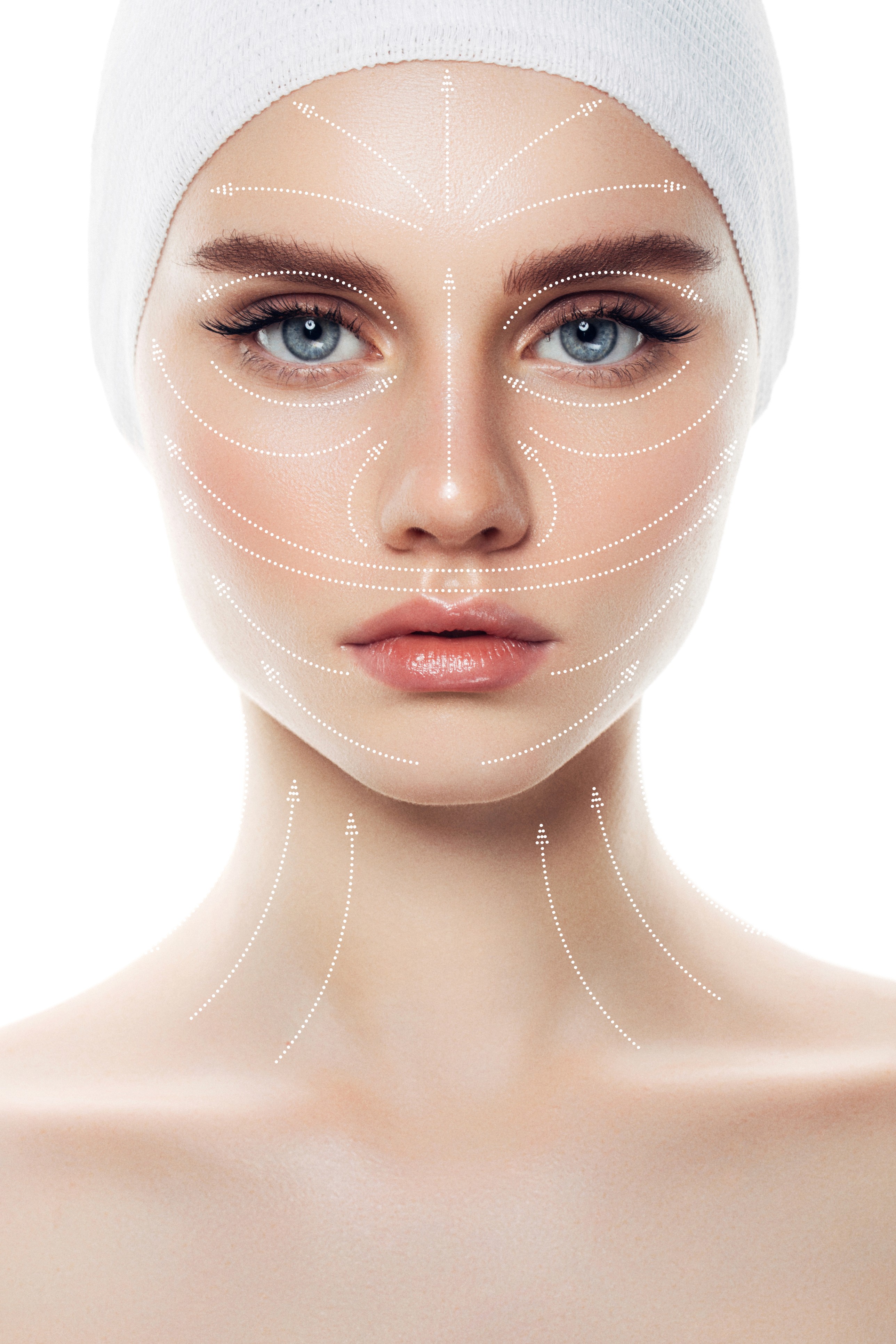
Following surgery, a supportive head garment will be worn for one week. We recommend resting for the first 48 hours and sleeping on your back to promote optimal healing. Most patients are able to return to work after approximately three weeks. Dr Kim advises avoiding strenuous activity for the first two weeks, with gym workouts and sports postponed for an additional four weeks, as excessive movement can interfere with healing and increase the risk of bleeding.
Following surgery, a supportive head garment will be worn for one week. We recommend resting for the first 48 hours and sleeping on your back to promote optimal healing. Most patients are able to return to work after approximately three weeks. Dr Kim advises avoiding strenuous activity for the first two weeks, with gym workouts and sports postponed for an additional four weeks, as excessive movement can interfere with healing and increase the risk of bleeding.
Following surgery, a supportive head garment will be worn for one week. We recommend resting for the first 48 hours and sleeping on your back to promote optimal healing. Most patients are able to return to work after approximately three weeks. Dr Kim advises avoiding strenuous activity for the first two weeks, with gym workouts and sports postponed for an additional four weeks, as excessive movement can interfere with healing and increase the risk of bleeding.
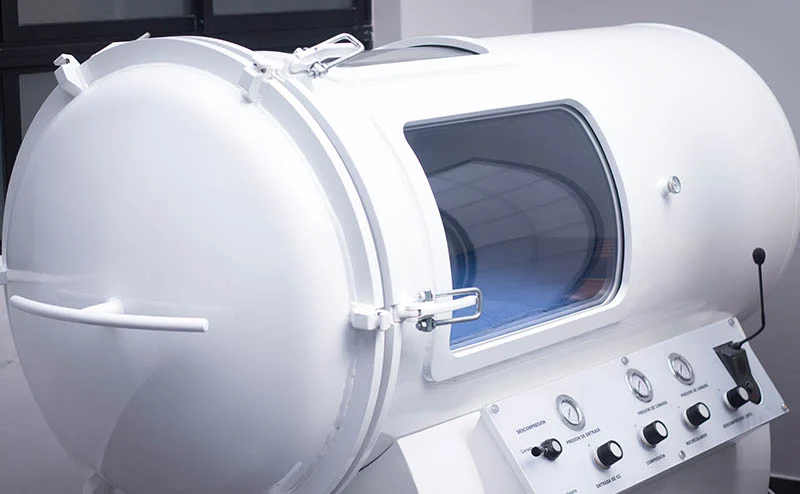
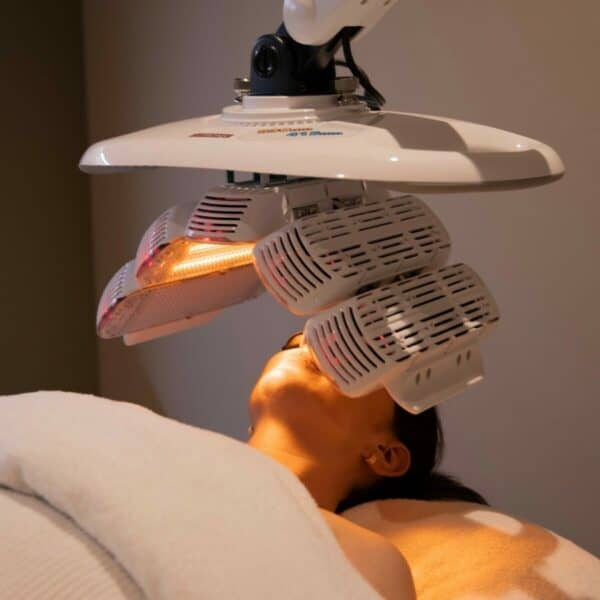
Also our clinic has one of the best adjuvant therapies including healing lasers, LDM, IV and HBOT for the best result and recovery. Skincare regime post-op is also important in order to maintain results and Dr Kim also offers patient-specific advice on this as standard as part of the procedure price.
Also our clinic has one of the best adjuvant therapies including healing lasers, LDM, IV and HBOT for the best result and recovery. Skincare regime post-op is also important in order to maintain results and Dr Kim also offers patient-specific advice on this as standard as part of the procedure price.
Also our clinic has one of the best adjuvant therapies including healing lasers, LDM, IV and HBOT for the best result and recovery. Skincare regime post-op is also important in order to maintain results and Dr Kim also offers patient-specific advice on this as standard as part of the procedure price.


" height="10.171795799039309px" id="TaD7e2wLf" width="29.563574157185528px"/></svg>)
" height="2.1704055402932054px" id="RqhoNlpql" transform="translate(0 13.415)" width="27px"/></svg>)
Beyond Rejuvenation.
Services
Home
Procedures
Media
Gallery
Legal
Terms
Privacy
Cookies
Help
Contact Us
Docs
2025 LIFF Plastic Surgery. All rights reserved.
Beyond Rejuvenation.
Services
Home
Procedures
Media
Gallery
Legal
Terms
Privacy
Cookies
Help
Contact
Docs
2025 LIFF Plastic Surgery. All rights reserved.